




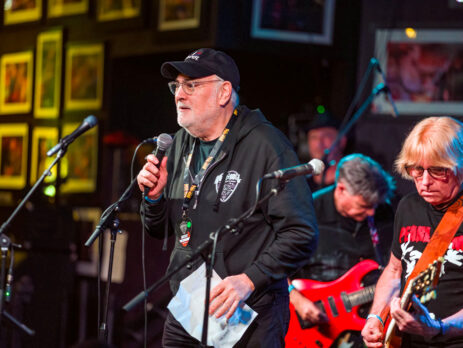
 Rock ‘n’ Roll Fantasy Camp
(Featuring Roger Daltrey)
By: Lori Smerilson Carson | Photos: Chris Schmitt
Contributing comments by Debbie Brautman
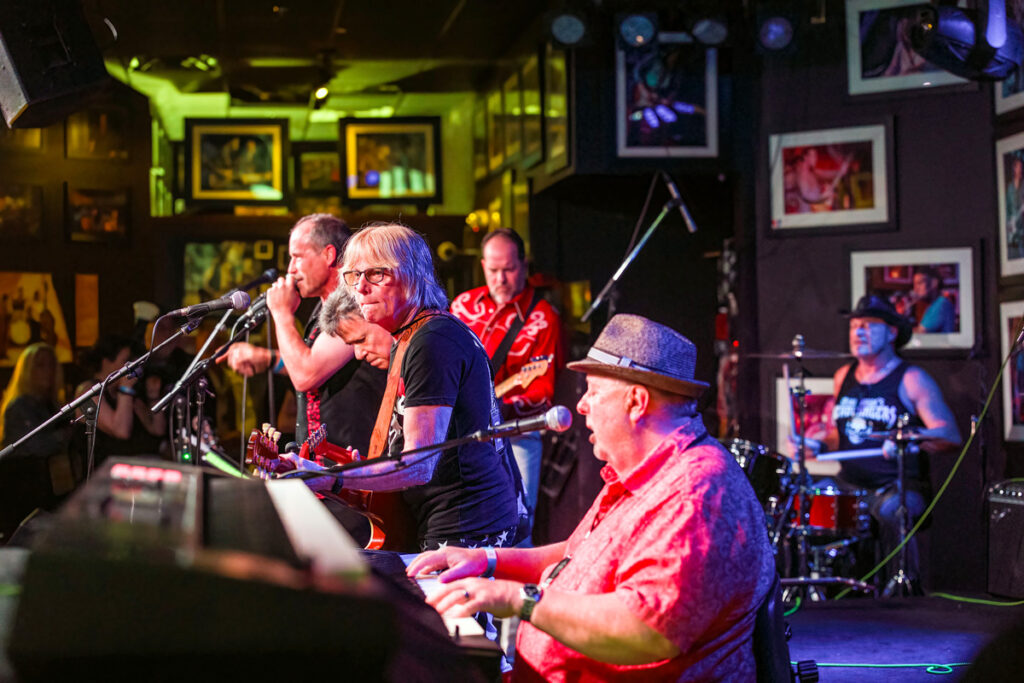
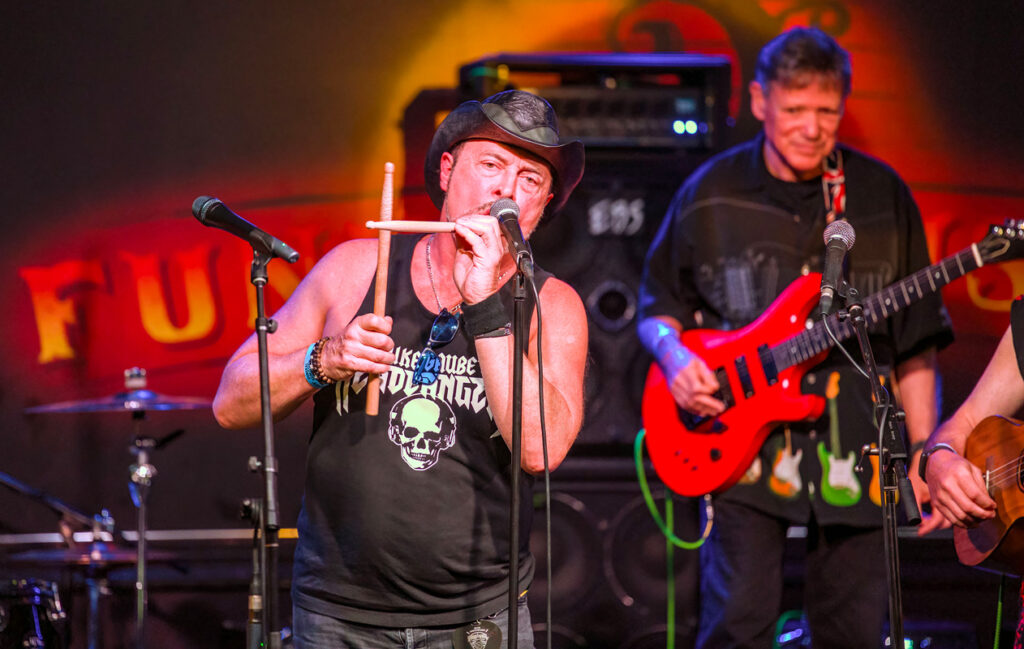
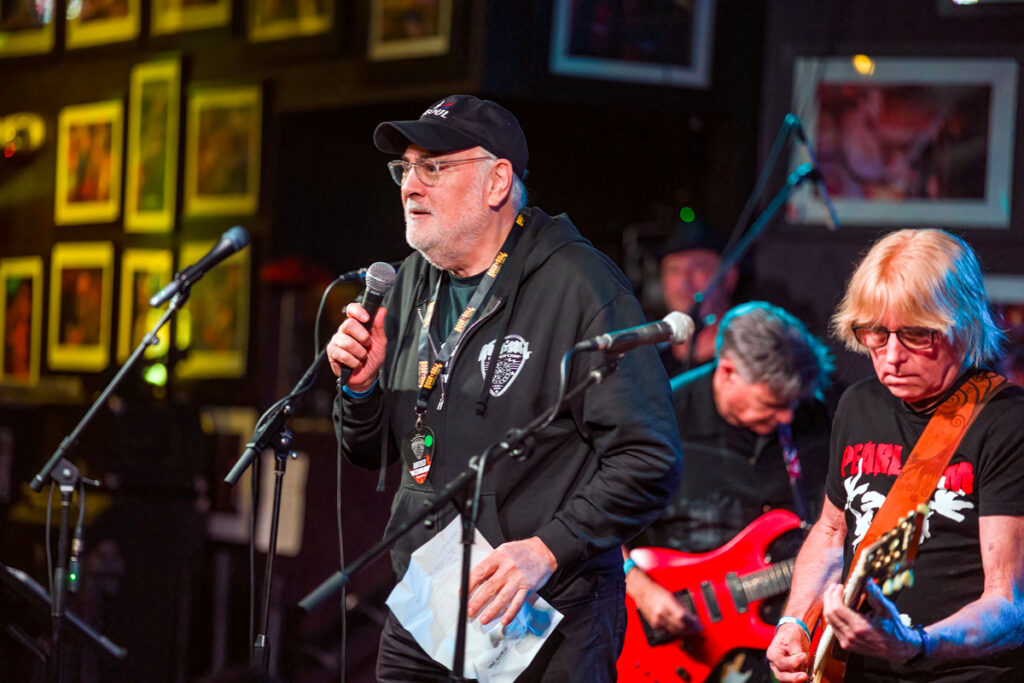
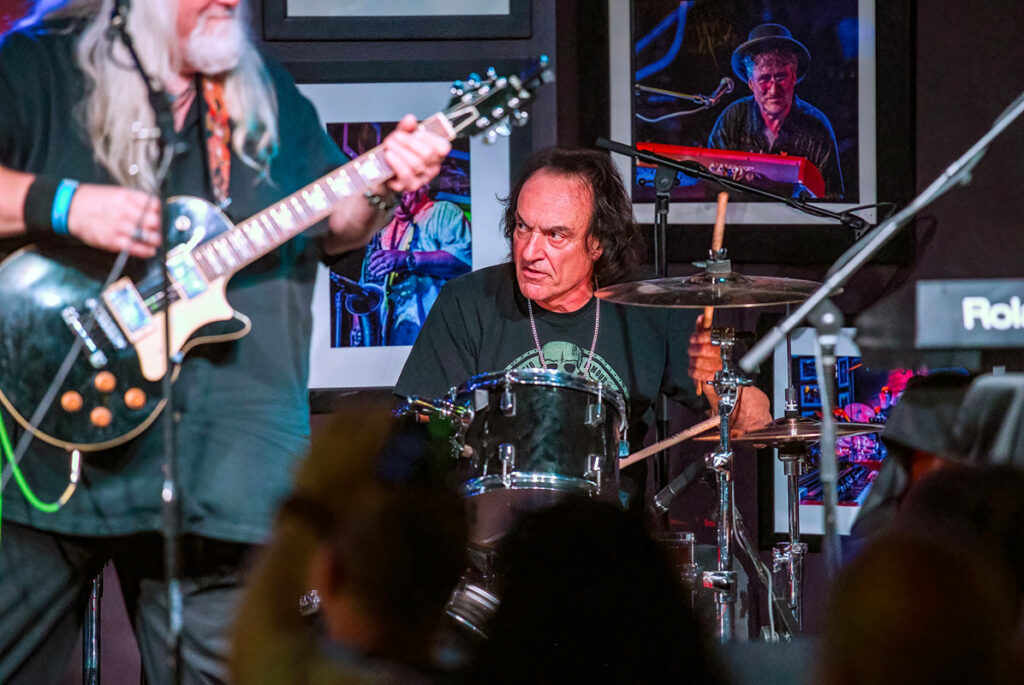
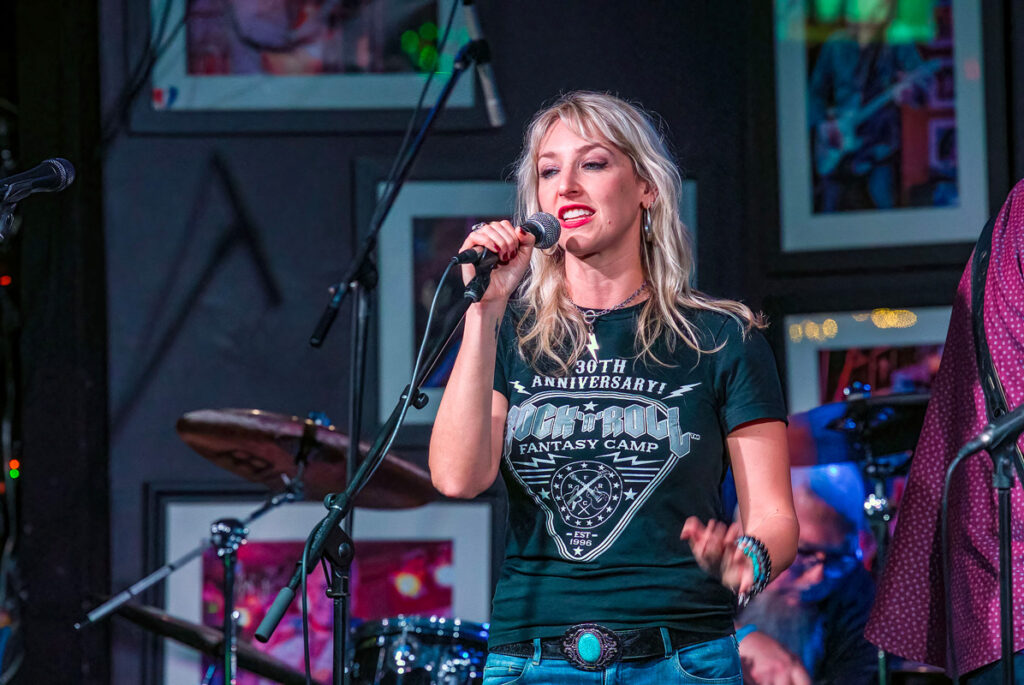
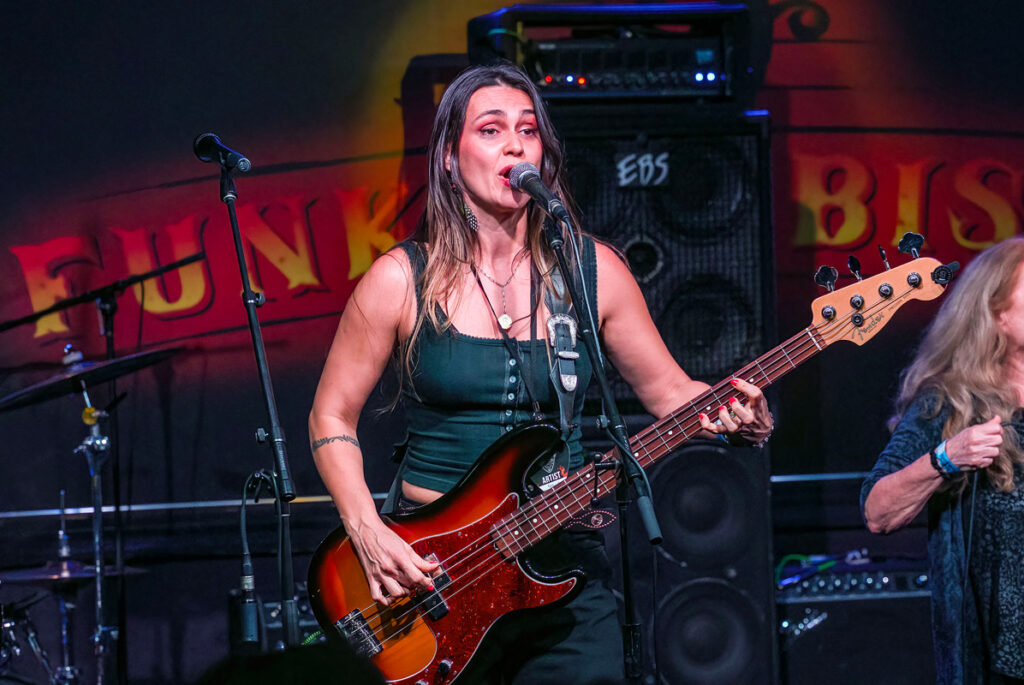
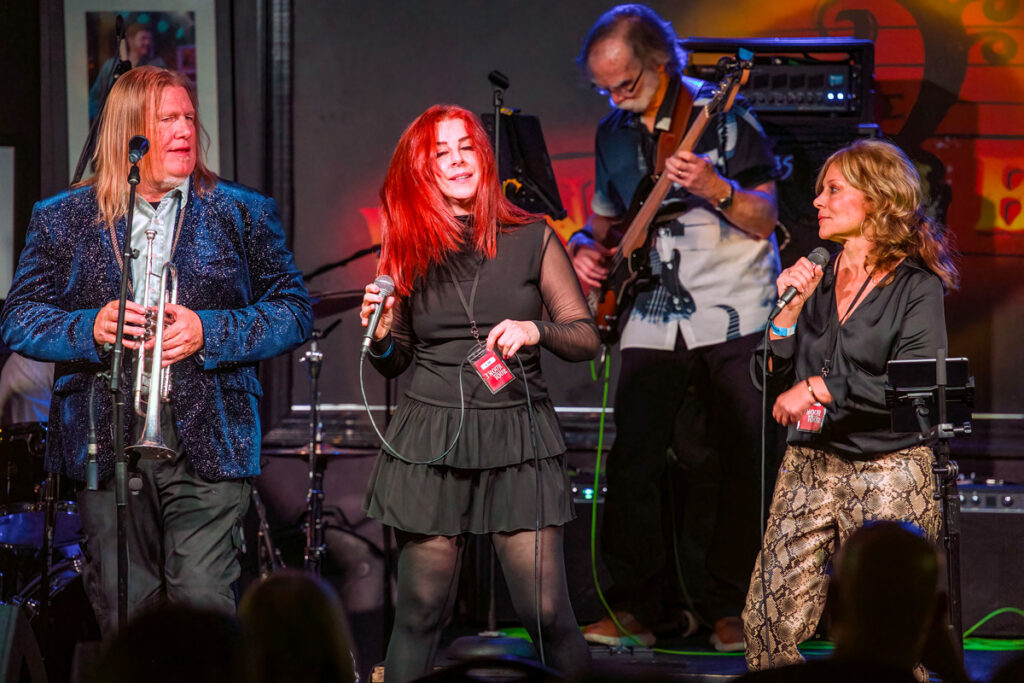
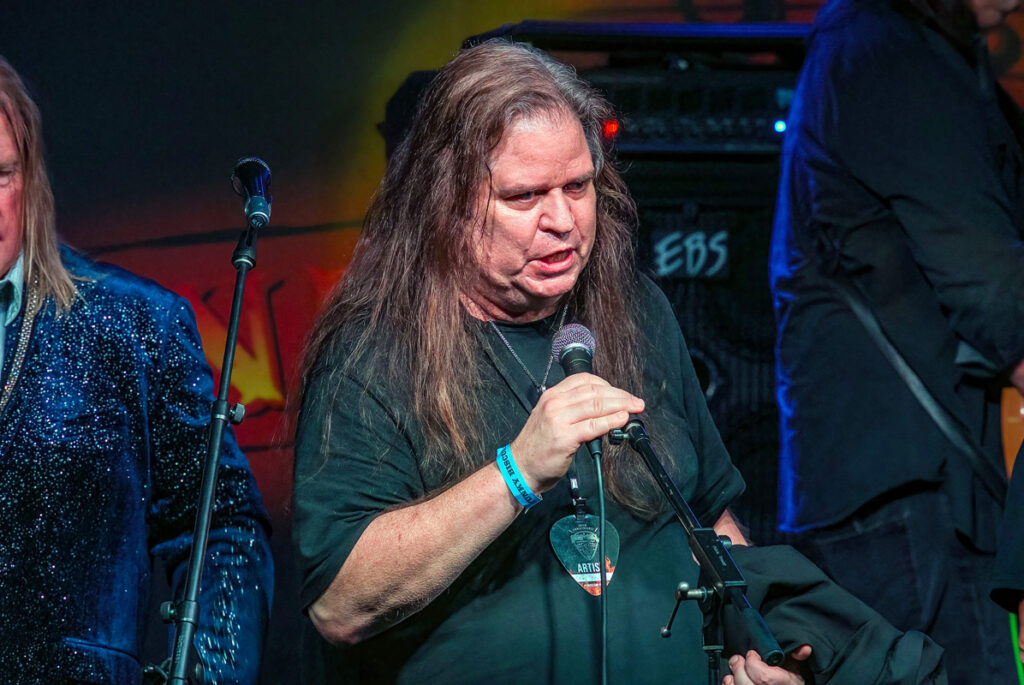
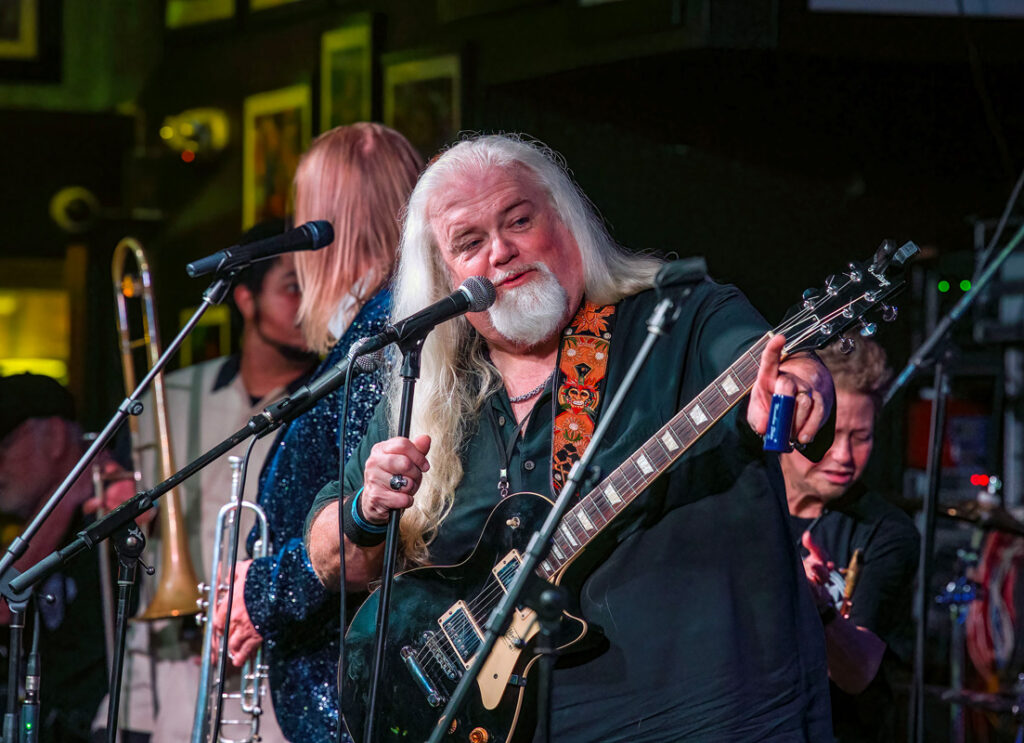
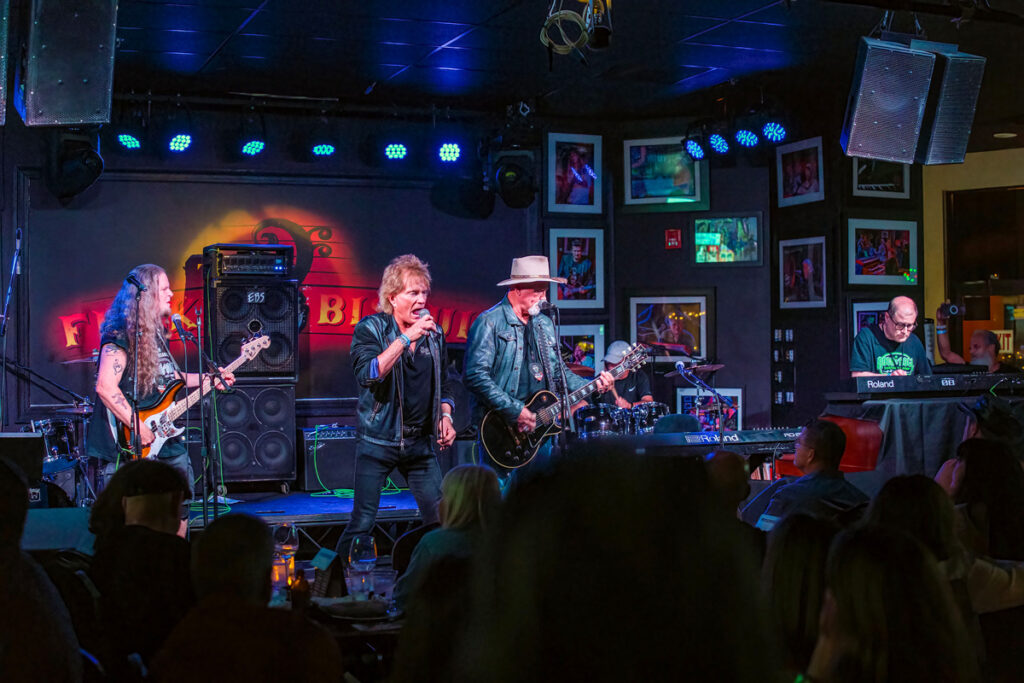
After interviewing a few of the rock star counselors for the Rock ‘N’ Soul Camp held in South Florida in November, SFL Music Magazine review writer Debbie Brautman and I had the privilege to visit the camp where I interviewed Founder David Fishof, Director Britt Lightning, Counselors Vinny Appice and Derek St. Holmes, and one very seasoned camper, Drummer Brian Landers. The goal was to learn more about the January Rock ‘n’ Roll Fantasy Camp that will again be held at the DoubleTree By Hilton Hotel Miami Airport & Convention Center from January 29th through February 1st with a finale jam at The Funky Biscuit. This camp though is featuring legends Sir Roger Daltrey as well as Simon Townshend and Ian Paice, with more extraordinary musical guests to be announced.
Catching up with David Fishof, he explained how the camp started, some details about the camp, insight into another special project of his, and what campers can look forward to.
SFL Music Magazine: I read a story when you were on tour with Ringo (Starr) with Joe Walsh and Levon Helm, and what prompted you to start the fantasy camps. What would you say influenced you?
 David Fishof: What happened was that I was on the fourth show with Ringo Starr and the All-Starr Band, and everyone kept telling me this is never going to happen. You’re never going to be able to put together an All-Starr band, all these people in one tour and they’ll travel together before it breaks up. I kept saying to myself, no, this is going to work. They kept saying, “if you want to do a Live Aid or if you want to do a one-time event it works, but to have all these people on tour, the egos won’t work.” So, I was doubting it, the back of my mind. I had mortgaged my townhouse in Manhattan to do this tour. I’m a promoter! I took a chance! It was Ringo Starr! So, I took a mortgage out and after the fourth show, Clarence Clemons walks by my table, I’m sitting with the president of Radio City and he says, “Fishof, I’m out of here. I can’t do this anymore.” I said, what’s going on? He said, “No one in the band is getting along.” Then all of the sudden, Nils Lofgren walks by and says, “I’m out of here too.” I said, what’s going on? They said, “Well, Joe Walsh and Levon Helm are having a fight. You better go downstairs and break it up.” So, I said to the president of Radio City, I said to him, Eddie, I’ve got to leave. I got to go break this thing up. I walk down there. I’m looking for Ringo first of all, twenty minutes, I’m scared to go in the room. They are his musicians. Can’t find him, he’s nowhere to be found. Security guard says, “you better go in there David.” I walk in and there’s Levon Helm with a knife in his hand and blood. Joe Walsh with a broken glass, blood all over his hands and saying, “you fuckin’ idiot. You ruined my song.” I walk in and from the top of my lungs saying, are you guys a bunch of babies?! I was so scared. I didn’t know what to say, and they both turned around and they threw blood at me. They’re taking a swing at me and then all the sudden, they both turned around and stuck their tongue out. They pulled a prank on me. It’s on YouTube. You can go see. Look up David Fishof, Ringo Starr. I was scared. I saw my house going right down the river (he laughed). They thought it was the funniest thing. Dr. John is there in the video. Levon, the whole band and Jim Keltner, the famous drummer. He filmed the entire thing, and it’s a very famous scene. As a matter of fact, on XM Radio last week, they do a whole thing. The highlights of Ringo and the All-Starr Band, and Joe Walsh calls in and talks about that incident. It was amazing because it prompted me at the end, I got to represent Joe and Levon Helam and brought the band back, but it’s what really gave me the idea to do Rock ‘n’ Roll Fantasy Camp because these guys were having so much fun on the road, all these musicians together. I said, if I could show this to the public what we go through and give this as a dream to somebody because every day they call me up and say, “what’s it like? What’s it like? What’s it like?” So, that’s where I got the idea to do Rock ‘n’ Roll Fantasy Camp.
SFL Music Magazine: This is a great idea from what I have seen!
Fishof: Listen, if you get a chance, check out my movie Rock Camp, The Movie. It’s on Amazon Prime. It will show you the prank. It will show you everything. People should go watch it. It tells you the history of the twenty-five years of Rock ‘n’ Roll Fantasy Camp. Now, we’re into our thirty years, but it’s an amazing film. You’ll see really the history of the camp.
SFL Music Magazine: Having done this for thirty years, what would you say is your goal?
Fishof: I run two camps. I run that people are getting their fantasies, but for me, it’s about changing lives through music. That’s really what’s it’s about. I’m not a musician. I love the music. I love this camp. I love The Who. I love that old-time music, but if I can change people’s lives through rock camp then I’m doing good for the world. That’s what I love most about it is giving people that chance. Wives tell me, “my husband’s a better person. He’s happy.” I’m bringing people happiness and then they’re further in their musical endeavors. People are starting bands after camp. They’re writing songs, they’re teaching music, they’re doing charity work because to me, my favorite line in Rock ‘n’ Roll Fantasy Camp was Joe Perry. He turned to a guy during a Q & A and he says to him, “what do you do for a living?” The guys says, “I’m a lawyer and on weekends I play guitar in my band.” And he says, “you’re full of shit. You’re a guitarist first. You do the legal BS to pay for your guitars.” Every one of them, there’s not one person who says to me “that’s true. That’s true.” My brother Joey, he’s a Rabbi here in Boynton Beach and he’s a drummer. I called him up right afterwards and I said, Joey, would you believe what Joe Perry said? He said, “I’d give up being a Rabbi to play drums full-time.” He said, “we’re musicians” and they are. These are all musicians. These are people who either picked up the guitar during COVID, picked up the guitar two years ago or were in a high school band and they had a dream. Unfortunately, the people that went on to make it, they lived their dream, and they got to be a musician, and the other ones, they had to make careers. Most of the time back then, parents didn’t let their kids do what they do today. I know my brother wanted to be a musician and my father said, “no, you’ve got to go to college” but today, parents are seeing that it’s more important to give your son and daughter the dream and that they should live in passion, and that’s really what I love about camp. So, if you ask me what I love to give most back is, I add passion to people’s lives because they’re really doing something that they love, they enjoy and it prompts them to go further.
SFL Music Magazine: Was that also your inspiration for the movie THE BRIDGE?
Fishof: THE BRIDGE is probably the greatest thing I’ve ever done. I was in Israel following October 7th to visit my son who’s studying in the yeshiva. My best friend is Sam Grundwerg who is the Consul General for the State of Israel and he’s from Hollywood, Florida originally, moved to Israel. He’s now the World Chairman for an organization called Keren Hayesod. They raise funds for the State of Israel. I called him up and I said, Sam, I’ve got to see what happened firsthand, and you couldn’t get into these places like the kibbutz Nir Oz or the Be’eri or the festival. They didn’t allow regular people to go in there. The army closed them up. So, he arranged for the mayor of the whole district down there to give me a tour, and she gave me a tour. Then about three hours afterwards she said, “David, I have to leave.” I said, well, what’s going on? She said, “I have to go to a funeral.” I said, which funeral? She said, “there were three hostages that were shot by friendly fire. I’m going to the fellow Yotam Haim, he’s a drummer. The red-haired drummer.” I said, I want to go to that funeral. He's a drummer. I want to go there. I go to the funeral, and the funeral is opened up with a drum solo for twenty minutes by the brother who is also a drummer. Then he takes the drumsticks and throws them in the grave. He had set up his brother’s drums, and he did a drum solo. So, I said to myself, I’m doing a camp with Van Halen in three months, let me bring that drummer to my rock camp and I’ll change his life. That night, I went to have dinner with Sam and I said Sam, I’ve got to have two bands. Let’s get ten musicians. Let’s find them, and let’s bring them to America. I’ll bring them to my camp. They went out and we found ten musicians who were victims of October 7th and I brought them to camp. Now, I had three issues. Number one, I couldn’t tell anyone what I was doing in L.A. because of the protests and these people, they kept tell me, “they need therapists, be careful.” So, I even had to arrange five therapists to be on hand. They were leaving the country. Number two, I was afraid to tell my campers because most of them aren’t Jewish and I was afraid someone was going to say, “I didn’t come here to play with a bunch of Israeli’s.” Who knows how they would have responded with the politics today. And number three, I didn’t tell the rock stars because I knew that if I would have told them and their lawyers and their managers, they would say, “you know David, not this camp. We’ll do another camp. We don’t want to be involved.” I didn’t tell anyone. The night before, Sam and I had dinner and I said, let’s introduce them. I got up there and I said, ladies and gentlemen, I want you to meet ten heroes. They were all victims of October 7th. I brought out each one of them, and they gave them a standing ovation. It was so beautiful. The non-Jews said to me, “we want to call our band Sela which means rock in Hebrew. The five, six, seven Jews I had at the camp turned to me and said, “David, if we don’t play another note, this is incredible” and it just became a love affair. Then I introduced the bands after they played with Tommy Aldridge from Whitesnake and from Ozzy Osbourne, the drummer. I said, Tommy. See this band right here, they’re all from Israel. You see that picture on the guy’s amp? His father is a hostage. Later we found out, we didn’t know at that time that he had passed away on October 7th and his body just came back last week. He was the last body returned. His name is Lior Rudaeff. His son’s name is Bar. He hugged him and he gave him a dog tag, and the next day, next musician and the next day, next musician. So, I went around the rooms, and I said to these musicians, I thanked them all for the standing ovation and I said, that was so nice what you guys did. I said, do you have Waze? The guy said, “yeah, I have Waze.” You have WhatsApp? “Yeah, I have WhatsApp.” I said, do you know where that came from? That came from Israel. “No, are you serious?” I said, yeah. If you check out all the apps you have, most of them come from the State of Israel. I then realized that unless you live in Florida or Chicago or New York or L.A. you never met an Israeli. I called a friend of mine Gil Goldschein who was my intern and he produced the Kardashians. I said, you got to get me a film crew, and we documented the whole thing. For me, the whole goal of the movie is to show people that these Israeli’s are normal. They love rock and roll and they love having fun, unlike what people think out there. So, what I’m hoping the movie will do, will be propelled to show people how normal they are. That they’re normal people. The Miami Jewish Film Festival has been asking me, they’re going to feature it down here. They wanted it for the opening night. They loved the film so much they said to me, “we’ll show it even after the festival in February, David. We’ll do a special night.” It's an incredible film. So, what happened was, I went to raise money for the film, and I bumped into Kevin Bright at an event. Kevin Bright is the Executive Producer of Friends the T.V. series. I worked with his father fifty years ago in the Catskills. His father was a comedian and he represented acts. I was just a young kid, twenty years old. He walked into his father’s office and he met me, and we’ve stayed in contact. I went to him, I said, Kevin, would you help financially with the film. He said, “no.” He said, “I’m going to be your Rabbi. I’ll make the film for you” and he made the most incredible film. He brought in director Brad Allgood. It was produced by Kevin Bright, so it’s going to be an amazing film. The whole thing is about music heals. It’s nothing political. This is to show you the power of music heals.
SFL Music Magazine: Roger Daltrey has done the Zoom Master Classes?
Fishof: Roger Daltrey has done camp seven times. Roger Daltrey is such a special person. In addition to the charity work that he does with his teenage cancer trust, he’s an amazing friend. 911 happened, the first phone call I got was from Roger Daltrey, “how’s your family?” He’s such a special individual and he’s more than just a rock star, and that’s why he’s been knighted Sir Roger by the Queen. What’s amazing about him is that when I’ve done this camp over the years and after he did it, he really encouraged me to keep going because it’s a hard business because how limited to how many bands I can do. Limited about the drummers. I can only have one bass player in a band. So, it’s not like a concert where I can open up to four thousand seats, eight thousand seats, do multiple shows. But he kept calling me after he did it, every camp, he said, “let me help you.” He got me Brian Wilson, and he got me this rock star, and Jeff Beck and he introduced me to a lot of rock stars which I needed to help. Then he said, “I love what you do. I love you give other musicians jobs.” Like the counselors like Dave Spitz and all those. Then he kept calling me all the time with how was the camp? How was this guy, that guy? So, I begged him, I said, Roger, you got to do camp, and he’s going to do the thirtieth anniversary.
SFL Music Magazine: What do you look forward to him bringing to this thirtieth anniversary camp?
Fishof: First of all, what Roger brings to the camp is to have a superstar like Roger Daltrey. There’s no one better. There’re five bands in my opinion. There’s Led Zeppelin, there’s Pink Floyd, The Rolling Stones, The Who and The Beatles. That’s it! So, to get Roger Daltry there is amazing. I think what I’m hoping people get from it is not just to see how human he is, but his whole thing about camp is to have fun. Just have fun, and don’t get too serious. Have fun!
SFL Music Magazine: What would you say is the biggest concern campers have?
Fishof: The biggest concern campers have is they’re scared to come. That is the biggest problem of Rock ‘n’ Roll Fantasy Camp. I mean, I’ve said this many times in articles that the week before camp is called cancel week in Rock ‘n’ Roll Fantasy Camp because the wife will buy it for the husband and then the husband will say, “I’ve got a business meeting. I can’t make it.” They’re nervous. They’re afraid that they suck. They’re afraid they’re not as good, and it’s not about that. We know what you are. It’s those counselors that will make you play better because the main object of camp, what I’ve heard and not being musician is, when you play with someone better than you, you become better. Playing in a band, the experiences you get. I totally understand that because I got invited to go to a Michael Jordan fantasy camp and I didn’t go. I was scared. Oh, I’m not going to play basketball one on one with Michael Jordan and look like a jerk or play with a bunch of guys that want to win and beat them. Yeah, I turned it down and it’s my biggest regret today because I am the biggest NBA fan. So, people get scared, and they make the biggest mistake because the ones whose come, they keep coming back over and over again. Fifty percent of our campers are repeats, so we love new campers because we know they’re going to get addicted to rock camp.
SFL Music Magazine: What would you advise campers to become the most successful that they can?
Fishof: Number one, you’ve got to practice every day. These musicians practice, four, five hours a day. They are playing their guitars and blowing their horns. They are doing incredible. Yes, they practice a lot, and then learn about the business, the music business. It’s a business and as Felix Cavaliere said, “you can write songs, but understand how to make money.” There’s a lot of money to be made if you really learn the business. You don’t have to be a major songwriter. T.V. shows need music, the movies need music, commercials need music, and it’s easy to get your music out there today. It’s easy to tour because if you build up a following on social media, you can go play a gig. People buy tickets, they buy merchandise. There are so many more bands out there today because it’s so much easier. You don’t have to be The Who to make a living. That’s why parents are encouraging their kids to go out and make a living. You can easily make seventy-five hundred thousand dollars and go with your passion, what you like, just by selling your shirts and your merchandise, and playing a local club, and working out of your car. I’ve seen these people making nice livings now.
SFL Music Magazine: Being in the music industry the years that you have, how do you sustain your longevity and success?
Fishof: Mine is creativity. My brain doesn’t stop. I come up with a new idea every day. Poor Britt, she works with me and every day she has to hear my new ideas. Like this one was to bring the horn section in. I’m always coming up with new ideas. I don’t stop thinking of them. I just came up with an idea today. I said, you know, I’ve got to run two weeks of rock fantasy camp, and every day have another special guest (he laughed) and give people the experience.
SFL Music Magazine: That would be cool.
Fishof: That would be cool, but I’m always coming up with ideas. I always make fun with Britt. I call her up and I said, hey, I want to do a Polish polka fantasy camp. She said, great, great, great! She’s amazing! I get to work with her every day, and we zoom and we talk, and she can put up with my craziness and my ideas,
SFL Music Magazine: She is very creative as well.
Fishof: She is so creative, and she’s added so much to camp because she speaks with all the campers in advance. She has the passion. Her mom’s from Israel too. She’s a star of the movie.
SFL Music Magazine: What else would you like the campers to know about the January Rock ‘n’ Roll Fantasy Camp?
Fishof: So, the January camp for my thirtieth anniversary. Ian Paice is coming from Deep Purple, Roger. They’re going to perform at The Funky Biscuit with Simon Townshend. The Who is probably one of the greatest rock bands ever, and if you have that dream to jam with Roger, it’s once in a lifetime. Every camp is always the best one, the best one, but we’re building up to the ultimate best camp, and we’ll have a lot of special guests.
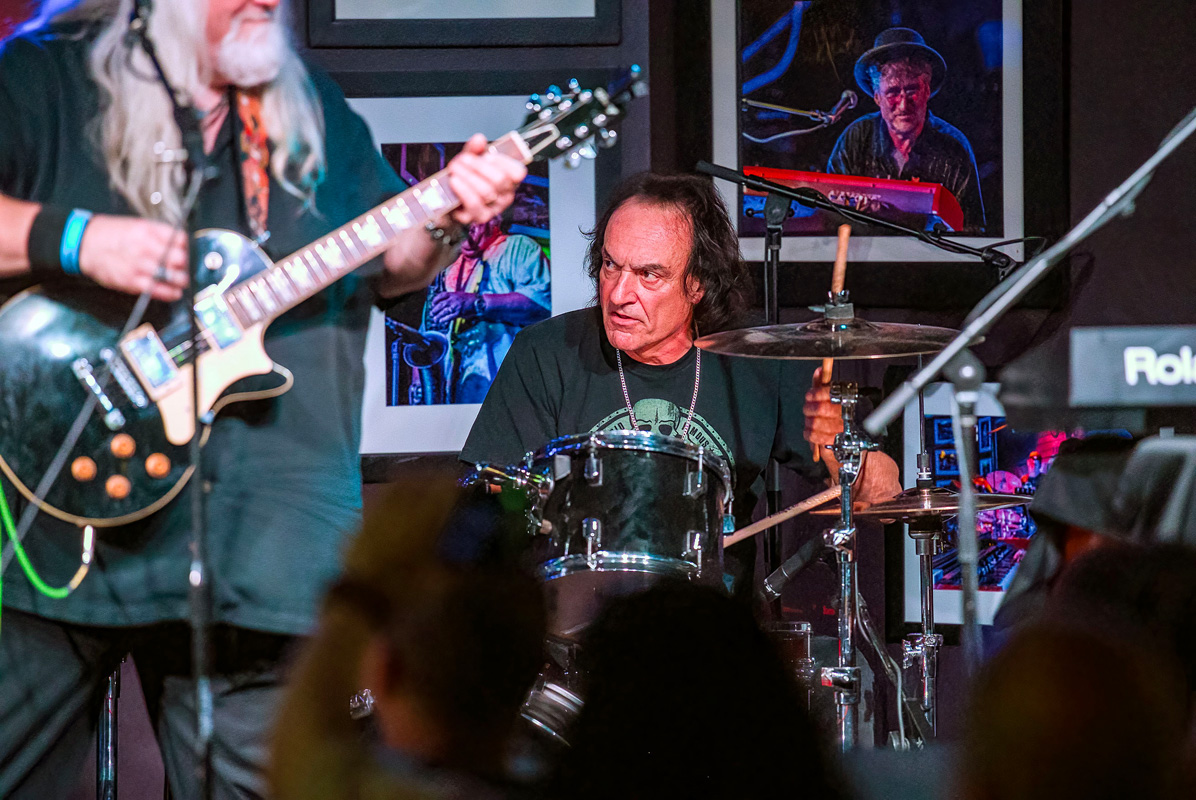 Counselor – Drummer Vinny Appice:
SFL Music Magazine: The last time we spoke about the camp you talked about your counseling. You said you made sure that the band members knew how to start a song together and how to learn songs quickly. What are you looking forward to implementing with your counseling classes for the January Rock ‘n’ Roll Fantasy Camp with Roger Daltrey?
Vinny Appice: Well, see each camp is a different challenge because this one was like more of the classic rock, middle of the road. Roger Daltrey’s songs by The Who, there’s a lot of arrangements in them, more challenging for the band to play. So, that’s going to be more of a challenge to work with a band. Especially the drummers because Keith Moon, you listen to some of the tracks and what Keith Moon played, you go what? Nobody played like him.
SFL Music Magazine: Is there anything else in particular you will be doing?
Appice: No. It’s hard to tell now until I meet the band in person and see what their capabilities are and how they can play. Like this band I have here, they’re really good. Everybody is good. Like they’re upstairs rehearsing, I don’t have to go up there and go we got to work on the next song. They’re capable of doing what they need to do and then, you know, go check on them later, but until you meet the band, you don’t know what’s going to happen. The problem is you go, you play good? “Yeah, I’m really good.” Everybody rates themselves usually a bit higher than they are. Some of them don’t rate themselves high enough, but most of them, it’s the other way, and you got to figure out how that band is going to sound. Especially for this camp, Roger Daltrey with the vocals and stuff, the rest of the music. So, it’s going to be more of a challenge.
SFL Music Magazine: How do you approach that?
Appice: How do I approach it? Yell. Yell at them. No, you’ve just got to see what the band is like. When I first started doing this, I always wanted to be great as can be, try to make them do it, but it doesn’t work like that. It happened before I said, why don’t you just do this, bop. bop, bop. Two drummers, and it didn’t happen. We played it, they couldn’t do it. So, I don’t push it now because then they get nervous. Then when they go onstage, they get more nervous. It does more harm than good. Let them feel natural about playing this stuff. It doesn’t have to be perfect! These guys are not professional musicians.
SFL Music Magazine: So, you just want them to enjoy it and learn from the experience?
Appice: Absolutely. Have fun. Enjoy it. There used to be some counselor, I won’t name names (he laughed) that really “da, da, da da da (scolding). Some people came out of the room crying. So, that’s not cool. People pay a lot of money to come into this camp. You don’t want to go out going, what a dickhead he was, and I don’t feel good about this. So, you got to deal with it.
SFL Music Magazine: Now, you’re credited with the Round Table which you said was influenced by Melissa Manchester.
Appice: My table is square, not round. Sometimes it’s oval. They give me credit “Vinny started the Round Table.” I didn’t start it! Melissa Manchester was here. I wasn’t even at that camp. I said, how did it go? It was a female camp maybe. They said, “it’s cool. She listened to people’s songs that they wrote, and she critiqued them” and I just said, why don’t we do that? That sounds like a great idea! Another facet to the camp rather than just slamming rehearsals down your throat. Then we started doing that, so (he laughed) Vinny created that. I didn’t create if. Well, if I did, I inspired by her which was a great idea!
SFL Music Magazine: Is there anything new you may be adding to the Round Table at the January camp?
Appice: No, the round table’s the Round Table. Some people come in with really good demos and play them, that’s good. Produced well, sounds good. Some people, the demos are not very good. There’s been a couple people that come in going, “I’m going to do it acoustically” and some of them just sang. Not even with a guitar, they just sang a melody. It’s all different.
SFL Music Magazine: What would you say your goal is with the Round Table?
Appice: I don’t think there’s a goal unless you hear something that’s unbelievable. Then you go, hey man. Come here. You got a contract? Sign this. No, you just try to help. You try to help them, but you can’t overload it and critique it to death. It’s just not going to happen. You just look at the good points and not so many negatives about it. Keep them inspired.
SFL Music Magazine (Debbie Brautman): It’s an experience of a lifetime for some people.
Appice: Yeah. They get to play their demos for somebody other than their family or their friends. Your friends usually go, “yeah, that’s good, that’s good.” We’ll say, “that’s good, but you know what? There’s too many choruses in here or you should have another part in there.” Something like that.
SFL Music Magazine: You’ve written for more than twenty-five albums which many reached Platinum status. You’ve also played with John Lennon (which is a wonderful story), Ronnie James Dio, Rick Derringer. What would you say attributes to your success that the campers could learn from?
Appice: What I tell everybody is you need to first of all, when you get an opportunity, go in with your eyes and ears open, learn. You got to learn. Like when I joined Rick Derringer, that was another level for me. That was my first band, and we were playing clubs and stuff. Then all of the sudden, we got on the Aerosmith tour, Rocks Tour playing arenas. I was twenty years old. So, I was like, whoa! Ok, and then first gig in the area I remember thinking, holy shit! Look how big the stage is! Usually, Rick was over here playing these clubs. Rick is all the way down there, and the bass player’s down there and Danny’s over there, and it sounds different. It’s a big kind of room sound because it’s an arena. So, you got to learn. Keep your ears and eyes open. The other thing is, you got to be a team player, got to be a nice guy. Got to be on time. Very important. Gene Simmons did a camp here one time and he was saying how to “be early, be on time because it’s sacred to be on the stage. Don’t want to take advantage of that.” And that’s true. You’ve got to be a team player. You’ve got to be on time, especially for the camp. I’ve done so many of these camps and sometimes “where’s what’s his name?” “Oh, he was drinking last night. He’s going to be late.” Then they come in two hours late and it’s like, what’s the point of being here? That’s with the camp, but with any band. I’ve played with (Black) Sabbath, and rehearsal is at one o’clock and I’d get there about twelve-thirty. I get there, I hear the guitar already playing. Tony Iommi, rock God! He’s in there testing his gear, trying stuff before one o’clock. Then Ronnie pulls up in his car and Geezer (Butler) pulls up. Everybody’s there even before quarter to one, showing up. Then I played with another band, Kill Devil Hill (he laughed). The main guy in there was Rex Brown. He’s a good buddy, great bass player from Pantera and he was cool, but the whole band collectively except me, were fucking late all the time. Just stupid late. I had to drive ninety miles to rehearse in L.A. from where I live, and I’d get there half an hour before and these guys, the singer especially, would get there two hours later. I go, come on man. You’re wasting my time. This is not cool. Then when we went on the road, we were supposed to be onstage at nine. We were supposed to leave the hotel at six thirty and we’re still waiting seven, seven-thirty. We’d wind up getting to the gig and having to go on late. Sometimes we went on at ten thirty, eleven on a weekday. People have to work the next day. So, we’d play two songs and people were leaving. So, it was a self-destruction band. It was a great band. It was cool, and it was great playing with Rex. I love the way he plays, but I couldn’t deal with it anymore. You know what? I’m going to leave. That’s not my thing.
SFL Music Magazine: The last time we spoke you told me that you and Vivian Campbell were working on a fourth album?
Appice: Yeah, we got a fourth album coming up. We’re kind of throwing ideas around for that. We recorded some demos, but we haven’t really recorded it for real. So, we’re still working on that.
SFL Music Magazine: I see you also still have your band Sabbath Knights, correct?
Appice: Yeah, I started this thing called Sabbath Knights. My singer is Jim Crean who played with me and Carmine (Appice) in Drum Wars. He had a solo record he put out and I played on that. So did Carmine actually. He’s a great singer, great guy and put together this band Sabbath Knights. In L.A., it’s one group, a bass player and guitar player, and east coast, I got two other guys because you can’t fly everybody back and forth. Both bands kick serious ass, and we play mainly Sabbath stuff from Ronnie, from Dio. A couple of Ozzy (Osbourne) songs in there. A couple of Dio songs, and Jim could sing this stuff without tuning down. He loves Ronnie and he sings the hell out of the stuff. So, it’s a lot of fun. We’re not trying to break the band. It’s just like hey, you want to hear some Sabbath with one of the real guys? Come on down! Kick ass. So, it’s fun.
SFL Music Magazine: Was there anything else you want campers to know about the January Rock ‘n’ Roll Fantasy Camp?
Appice: That’s going to be very high energy. It’s going to be fantastic. There’s going to be a lot of great players there and it’s going to be some great music. I think he just added Ian Paice from Deep Purple. So, it’s going to be music of The Who, music of Deep Purple. Roger, I know he did a camp before, maybe two. I wasn’t there. That was before me. Looking forward to doing the camp with Roger.
 Counselor – Singer/Guitarist Derek St. Holmes:
SFL Music Magazine: You played with Ted Nugent, his lead singer and rhythm guitarist, as well as other world renown musicians. What are you looking forward to bringing to the January Rock ‘n’ Roll Fantasy Camp that may be different than this camp?
Derek St. Holmes: Just an energy I guess which I try to bring to every one of these. I’ve done quite a few. A lot of people request me which I find really wacky (he laughed), but it’s just fun to work with people. That’s my favorite part of this whole thing.
SFL Music Magazine: Is there anything from your past experiences in the music industry that you want to implement with Roger Daltrey and the other musicians?
St. Holmes: No, not so much. I’m in awe of Roger Daltrey. If I’m in the room with him, I’m going to just be quiet and listening. A lot of people will come up, and they want to say hello and introduce themselves. Quick story. I was working in New York at a rock fantasy camp, and I had a little guy that was a shoe salesman, and he was singing “Squeeze Box”. Up onstage, we had the whole band set up and he’s singing “Squeeze Box”. He’s singing it really good and as the band’s rehearsing, all of the sudden, the door opens up and in walks Roger Daltrey. While it’s going on Roger walks straight up next to me. He’s listening, he looks at me, he goes “man, they sound good,” and he starts singing the song and I just start singing harmony with him. We look at each other, and we’re smiling, we’re having fun. Those are the moments that are exciting for me at the Rock ‘n’ Roll Fantasy Camp.
SFL Music Magazine: Because that can happen at any time, right?
St. Holmes: Yes. I mean, here’s a little boy from Riverview or Detroit, Michigan. Born in a little town called Riverview about nine miles south of Detroit, but I’m singing with Roger Daltrey? Whoa! It’s crazy!
SFL Music Magazine: So, it could happen again.
St. Holmes: It could. Yeah.
SFL Music Magazine: What do you recommend to the campers to become successful?
St. Holmes: Now that Zoom is a big deal and everybody wants to talk and look at each other and talk, there’s no substitute for getting in the room. I like to wait and get in the room and just see how good somebody is. A lot of people will tell you how good they are or how bad they are. When you get them in the room, that’s where the rubber meets the road. So, when they have sometimes grandiose ideas of what songs they want to try to do (he laughed). Then when we find out that two people have never touched the guitar before and their wife or girlfriend gave them one for their birthday, and they show up, and I have to show them.
SFL Music Magazine: How do you handle those situations?
St. Holmes: Well, you take more time with them. Everybody else does their job. They don’t need any more hold my hand, and I worked with this person. In his own company, he was a high exec, but he got pretty good. He knew all the chords, played everything, and we did a show. I think it was with Joe Perry from Aerosmith. Now, we’re up onstage playing live, and Joe gets everybody to take a solo. So, they’re all standing up front taking a solo and I’m playing along with them, Joe’s right here. Joe’s leans over and goes, “You, you get up here!” It was the guy that just got his guitar. He walks up front and just starts playing those chords harder and Joe went (happily surprised face). I went, wow! You go boy! And that’s what you do. I was pretty impressed with that.
SFL Music Magazine: What would you say influenced you to become a guitarist, a singer?
St. Holmes: Elvis (Presley). Yeah, I’m afraid I go that far back. When I saw Elvis, I must have been eleven or twelve and I’m seventy-two. That’s a long time ago. I saw him on The Ed Sullivan Show. I remember my dad came rushing home and he goes, “we got to watch Ed Sullivan Show tonight. They’re going to film this guy called Elvis and they’re only going to film him from the waist up” because he was, I guess, doing some lewd and lascivious acts or something. So, now everybody’s going to watch T.V. The guy comes on and he’s gyrating and he's rockin’ and rollin’, the crowd’s going crazy. Girls were screaming, and I thought to myself, that’s a good job! That’s what I did.
SFL Music Magazine: What would you say attributes to your longevity and success?
St. Holmes: The love and passion of music because that’s what gets me up every day. I mean of course, your family gets you up, but I mean, I just love it! I love it every day. I play my guitar, probably six hours a day, because I love it.
SFL Music Magazine: Is that the type of advice you give to the campers?
St. Holmes: Well, if you can afford to sit around and play your guitar six hours a day (he laughed). This is what I do for a living. Luckily for me, someone told me a long time ago, when you pick a job, make sure it’s something you love. I thought, I can do this! I do remember my dad saying, “you’re going to have to get a real job,” and this is Detroit. So, a real job for a kid that’s not going to college because we’re not rich, I thought umm, I got to go work in a car factory. So, I went to Ford’s, and I filled out all the forms. It took about two hours and in those two hours, I got hired. I was going to get hired anyway because they’re going to take everybody that came in. I walked into the factory, and the guy walked me out and showed me the job I was going to do (he laughed). It was picking up a big sheet of metal and putting it in a stamper, a stamping machine and getting your hands out of the way, and the stamper would come down and make it into a fender of a car. So, I would do that all day long. I looked at that. It took me two minutes to look at that and I looked at him. I said, I’m out (he laughed)! He goes, “really?” I said, how do I get out of here? I turned around (he motioned), out of the factory.
SFL Music Magazine (Debbie Brautman): Best thing you ever did.
St. Holmes: Best thing I ever did. Then I said to myself, I’m going to be so good that my dad will never question why I did that.
SFL Music Magazine: About your signature white Gibson SG, how did all that come about?
St. Holmes: Everybody associates me with a white SG because it’s on the back of that first “Stranglehold” album, and it happened to be one of the guitars I hated (he laughed). I got rid of it as fast as I could, but everybody keeps going, “man, where’s the white SG” and I’m thinking to myself, you have no idea how hard it was to play. We had our guitars stolen in I think it was Tulsa, Oklahoma out of our truck. They took a couple of Ted’s. They took all of mine. So, the next day we had to quickly go to a store and buy instruments, and that looked cool to me because the guitar player in Alice Cooper had one. I was smitten by that, so I went and bought it and then the neck was so small, I couldn’t get my fat fingers around it (he laughed). I couldn’t get in between the notes. So, then Gibson said, “hey. Want to make a Derek St. Holmes model?” I went, well yeah, ok. So, they started a Derek St. Holmes model and at the time, there was changing owners for Gibson. At the time, the guy that spearheaded it got fired which killed the deal. Should they resurrect it again? I don’t know (he laughed). That’s the real story.
SFL Music Magazine: You have written for several movie soundtracks. Is there anything new coming up for people to know?
St. Holmes: No, I’ve just recorded a live in the studio album with my band (The Derek St. Holmes Band) from Nashville that I’ve been playing with for fifteen years. We’re more of a rhythm and blues band. We recorded it just like this (looked around the room). We all sat up in here and recorded the whole thing. Nobody came back and re-did anything, and it sounds great! So, we got to mix it and then we’re going to put it out. So, that’s coming new. Maybe March.
SFL Music Magazine: Was there anything else that you want people to know to come to the camp in January?
St. Holmes: I would say that once they come to one camp, they will come to many camps because the comradery here of like people. A lot of campers get nervous and scared when they get here, but what they realize is that everybody feels the same way they do. We all love this and we all want to help lift everyone up. I think that’s the one thing. If I do meet somebody that’s nervous or scared, I tell them, I say, don’t forget, we’re all here for you.
Camper – Drummer Brian Landers (January will be his sixth camp):
SFL Music Magazine: What drew you to these camps as you are a seasoned camper?
Brian Landers: I’ve always been into music. I started playing drums when I was in High School and then twenty plus years off to be in tech. So, this was an opportunity to get back into playing music. When you’re an adult, there’s not all that many opportunities to get into playing music with a band and stuff like that. I saw an advertisement for it online and looked into it, and the first camp was a Beatles camp with Cheap Trick in L.A. I did that one and had an incredible time, and then I just picked up the next one, and the next one and the next one. Like I said, it was a chance to get back into music after being away from it for a very long time.
SFL Music Magazine: What do you feel that you get out of the camps?
Landers: It’s a combination of getting to meet, it sounds wrong to say getting to meet famous people, but getting to meet people that you’ve heard of or you’ve listened to their music for years and getting to interact with them in almost a social situation. The counselors here, even the headliners, it’s not like you’re a fan. It’s like you’re just another person meeting them.
SFL Music Magazine: Do you feel like you learn a lot from them?
Landers: Absolutely! Some of it just from watching the way they perform and the way they approach their instrument. There’s also the Master Classes where they’re actually teaching more formally, but a lot of it is just watching another drummer and how they work with a band, and how they perform in an intimate environment versus a concert.
SFL Music Magazine: What are you looking forward to with the January Rock ‘n’ Roll Fantasy Camp with Roger Daltrey?
Landers: Honestly, just getting to meet Roger. Getting to spend personal time with a rock legend.
SFL Music Magazine: Is his music some of your favorites?
Landers: I was never a gigantic Who fan. I appreciate their music and they’re obviously a legendary band. It’s not like it was a bucket list of getting to meet and play with The Who. It’s more Roger Daltey’s a legend of rock and roll in general, and getting to meet him and play with him is an opportunity that’s not going to come around very much anymore. For lack of a tactful way of putting it, some of these guys aren’t going to be around forever.
SFL Music Magazine: What are you hoping that he brings to the camp that will be beneficial to you and the other campers?
Landers: Just talking about his experiences in the music industry. Maybe for bands that are just coming up, talking about how to not get screwed, for lack of a better way to put it (he laughed). How to approach the business side of things. Also, Roger and Pete Townshend have a legendarily adversary of a relationship. Like how to be in a band with somebody maybe you don’t like or you don’t especially get along with but still be able to perform and serve the music. Because you watch The Who play and when they’re on stage, you could never tell that they don’t like each other or that they’re butting heads on something offstage. It’s always the music is still there. I think that’s really interesting. You see that with a lot of bands. The egos that don’t get along, and yet the music is still the music and they’re still able to bring to that.
SFL Music Magazine: So, it’s kind of how in the world do you get this done?
Landers: Yeah, every other part of your life you can’t stand the guy and don’t ever want to speak to him, but once you get on stage, that all disappears and the music comes out. I think that’s really interesting. Legendarily Paul and George in The Beatles didn’t really get along, but they still were able to make that incredible music, and Pete and Roger are the same way.
SFL Music Magazine: Is there anything else you think people should know from your experiences to entice them to come to the January camp?
Landers: The biggest thing with the camp is, you get out of it what you put into it. David (Fishof) gives a lot of different opportunities during camp for you to interact whether it’s Master Classes or Jam Rooms or the Acoustic Jams. Some people do every single thing every single day. Some people will come, rehearse with their band, perform and then go back to the hotel to sleep or whatever. But the camps that I’ve gotten the most out of are the ones where I did every single thing and went to bed at three in the morning, absolutely exhausted.
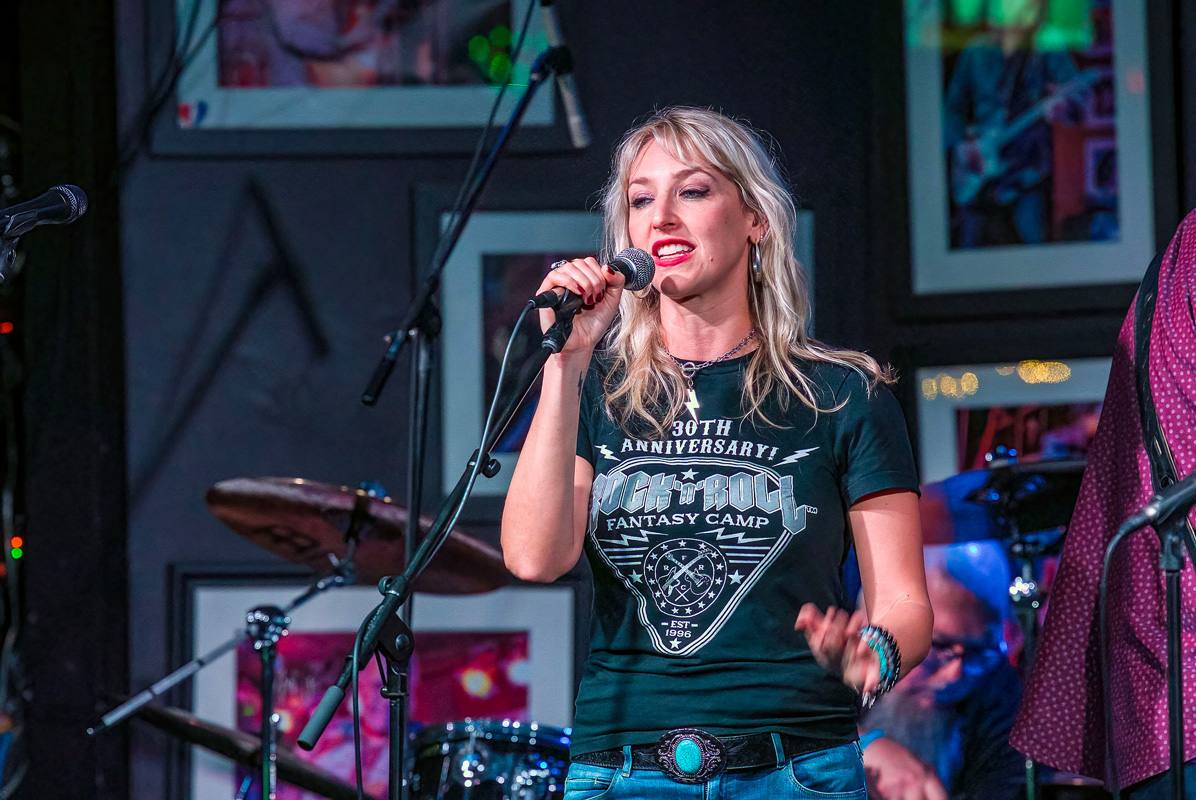 Wrapping up with Director/Guitarist Britt Lightning:
SFL Music Magazine: I just interviewed David (Fishof) and he mentioned that he throws all these creative ideas to you and you’re amazing with them. Was there anything different that you’re planning with the January camp for campers to know?
Britt Lightning: We’re always improving and trying to make things better than the last camp. Campers actually do say at every camp, especially the repeat ones, they say, “this is my favorite camp yet!” Best camp ever so far.” And they say, “I said it at the last one and now I’m saying it at this one,” so they keep topping each other. We want to continue to top every camp. We’re adding extra special guests. We’re just trying to give a lot of quality. I think our structure and schedules are kind of the same with just a little few tweaks here and there. Like I said, always improving. We send surveys out every camp and get the feedback, and we want to make it as best as we can.
SFL Music Magazine: I see the talent is amazing! I’m hearing a lot about the business side. With your background in business (beside being Vixen’s Lead Guitarist), what do you feel is maybe the most important message for campers that they can take away from the camps?
Lightning: You know, there’s two schools of thought. One is to just learn the business because music is a business if you want to make it your business and try to be financially successful with it. So, learn all the ins and outs. Read all the books. Hear about all the mistakes that everybody made and how they got screwed over by record labels and stuff back in the day and learn about publishing like Felix Cavelieri said here today. It’s so important to just understand how you make money in this business if that’s what you’re in it for. If not, make sure you’re having fun because that is the bottom line. This can be a rough business and if you are not enjoying the journey, it’s going to be a long road. So, enjoy it all. You’re making music. It’s supposed to be a joyful act. It’s sharing energy and love between people. That’s kind of what music is, and so if you’re not having fun doing it, then what’s the point because there is no guarantee you’re going to make money off it. If you’re getting into the music business just to make money, then you’re in it for the wrong reasons.
SFL Music Magazine: I’m hearing a lot about having fun. I’ve heard that Roger Daltrey’s main thing is that he wants people to have fun. Is there anything in particular that you are looking forward to Roger bringing to the January Rock ‘n’ Roll Fantasy Camp?
Lightning: Just his legacy. I mean, he’s an icon. He’s a rock icon and these songs are completely timeless. They’re just classics that everybody loves. So, to be able to be next to him performing those songs, that’s very special.
SFL Music Magazine: As the person who runs the camp, what do you see as your overall goal?
Lightning: The overall goal of the camp would just be really to create as much joy as possible which is the goal of every camp, but also to really just celebrate the icons of classic rock and Roger started the camp. And just to really celebrate Rock ‘n’ Roll Fantasy Camp because he was the first artist that came and agreed to do the camp for the very first one. Now looking back thirty years, how far it’s come and it’s still going strong. That’s an amazing thing. So, just really wanting to celebrate all of that.
SFL Music Magazine: Was there anything in addition you want campers to know to entice them to come to the January camp?
Lightning: Well, you’re going to be jamming Who songs with two members of The Who. You’re going to be playing with Ian Paice, one of the most iconic rock drummers and more special guests are going to be coming. I’m hearing at this camp and I hear at every camp and I know for a fact that it’s true, people sign up for the headlining artists but at the end of the day some of the most favorite moments are just interacting with the counselors and the other campers in the Acoustic Jams and just having these magics moments of bonding through music that happens over the four days. Every moment of the camp is exciting. Not just those moments that Roger’s there and you’re sitting next to him jamming which is so amazing, but there’s even more to it and the friendships that come out of the camp and just the confidence, and just self-improvement that I think everybody goes through as a result of this camp is really incredible.



Share this post
Related
Posts
Featured Articles, Online Exclusives, Promotions, SFL Music Articles
GOV’T MULE – Warren Haynes
Interview